
Purchasing property in a prime London neighbourhood requires more than simply selecting an attractive home. Buyers must understand legal structures, pricing dynamics, and long-term market influences that shape investment outcomes. St John’s Wood presents strong opportunities, but informed decision-making is essential.
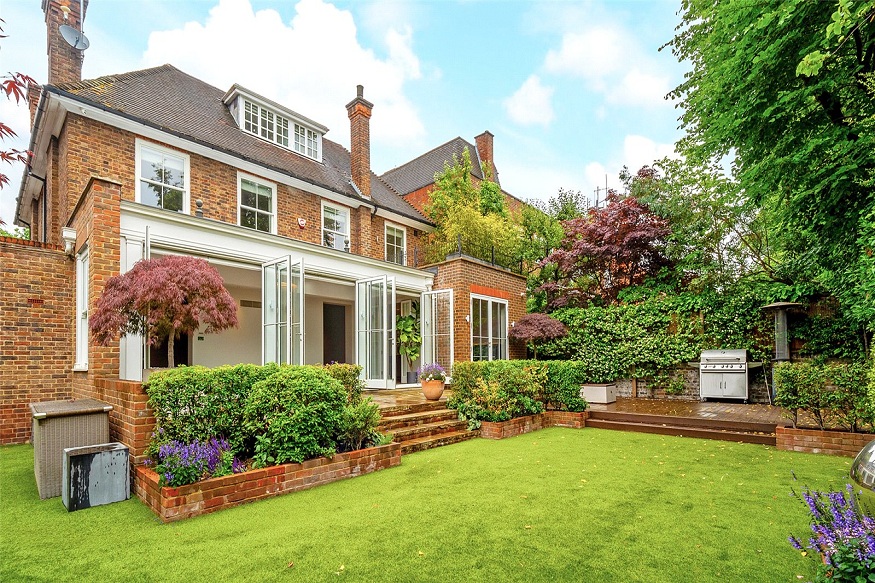
As one of the capital’s most refined districts, St John’s Wood offers a mix of grand detached villas, elegant white stucco-fronted terraces, period mansion blocks, and contemporary developments. Each category carries distinct architectural character, ownership considerations, and maintenance obligations that purchasers should evaluate carefully before committing.
When exploring residential opportunities in this sought-after enclave, buyers should assess tenure structure, pricing benchmarks, building condition, and local planning regulations to ensure their acquisition aligns with both lifestyle aspirations and long-term financial strategy. Careful preparation at the outset can prevent costly complications later.
Understanding Tenure: Freehold vs Leasehold
Large detached and semi-detached houses in St John’s Wood are commonly freehold, meaning the owner possesses both the property and the land on which it stands. This structure offers greater autonomy for renovation, extension, and landscaping, subject to local authority approval. Freehold homes are typically viewed as long-term legacy assets, often attracting families seeking permanence and control.
Flats, by contrast, are usually leasehold. Buyers must pay close attention to the remaining lease term, annual ground rent, service charges, and any sinking fund provisions for major works. Mortgage lenders often require a minimum unexpired lease length, and properties with shorter terms may need lease extensions, which can involve significant expense. Reviewing the lease documentation with an experienced solicitor is therefore critical.
In addition, purchasers should understand management structures within mansion blocks or modern developments. Well-managed buildings with transparent financial records and proactive maintenance plans tend to preserve value more effectively over time.
Pricing Structure and Market Trends
St John’s Wood firmly occupies the prime central London segment. Values are influenced by architectural quality, garden size, security features, proximity to green space, and street reputation. Homes adjacent to Regent’s Park or overlooking communal gardens frequently achieve premium pricing.
Unlike many regional markets driven predominantly by domestic demand, prime London demand is influenced by international capital flows, currency movements, and global economic confidence. Buyers analysing Property for Sale in St Johns Wood should therefore consider both local comparable evidence and wider global indicators when deciding the right moment to proceed.
Supply constraints also shape pricing. Strict planning controls and limited development land mean that new inventory enters the market slowly. This scarcity has historically supported long-term capital preservation, even during wider market corrections. Buyers with a medium- to long-term outlook often view this restricted supply as a protective factor.
Investment Considerations and Rental Demand
Beyond owner-occupation, the area appeals to investors seeking strong tenant profiles and reliable rental income. Corporate tenants, diplomatic households, and families relocating from overseas frequently choose St John’s Wood for its privacy and prestige. Proximity to central business districts enhances its appeal for professionals who require swift access to the West End or the City.
Rental yields in prime districts are typically lower than in outer boroughs due to high capital values; however, stability and tenant quality often offset the difference. Investors should evaluate net yields after service charges, letting fees, and potential void periods. Professional property management may be advisable, particularly for overseas landlords.
Capital growth expectations should remain realistic. While the neighbourhood has demonstrated resilience over decades, short-term fluctuations can occur in response to tax policy changes or shifts in buyer sentiment. Strategic investors tend to focus on long-term performance rather than short-term volatility.
Planning and Conservation Areas
Several streets within St John’s Wood fall under conservation area designation. These controls aim to preserve architectural integrity and streetscape character, protecting the district’s distinctive appearance. While conservation status enhances long-term desirability, it can restrict alterations such as window replacements, façade changes, roof extensions, or demolition.
Prospective buyers considering refurbishment projects should consult planning professionals before exchange of contracts. A detailed building survey is also recommended, particularly for period properties where structural movement, damp issues, or outdated services may require attention. Early due diligence minimises unexpected financial exposure.
Connectivity and Infrastructure
Transport connectivity remains one of the area’s strengths. St John’s Wood Underground Station on the Jubilee line provides direct links to key destinations including the West End, Canary Wharf, and major rail termini. Road access into central London is straightforward, while nearby transport hubs connect residents to national and international routes.
Infrastructure improvements across London continue to enhance accessibility and, by extension, residential demand. Buyers often consider transport resilience and commuting efficiency when assessing long-term suitability.
Lifestyle and Community Appeal
Beyond financial metrics, lifestyle plays a defining role in purchase decisions. Residents enjoy tree-lined avenues, independent boutiques, cafés, and cultural attractions such as Lord’s Cricket Ground, one of the most iconic sporting venues in the country. The presence of open green spaces contributes to a quieter, village-like atmosphere rarely found so close to central London.
Reputable independent and international schools in surrounding districts enhance the area’s family appeal. Security, discretion, and architectural elegance further reinforce its enduring reputation among high-net-worth buyers.
Financing and Tax Considerations
Purchasers should account for Stamp Duty Land Tax liabilities, which are significant at prime price points. Overseas buyers may face additional surcharges. Early consultation with tax advisers ensures clarity regarding ownership structures, whether personal, corporate, or trust-based.
Mortgage availability for high-value properties may require specialist private banking arrangements. Engaging with brokers familiar with the prime market can streamline the financing process and strengthen negotiating position.
Conclusion
Acquiring a home in St John’s Wood demands careful evaluation of tenure arrangements, market influences, planning frameworks, and financing structures. While prices reflect prestige and scarcity, disciplined due diligence helps safeguard both lifestyle satisfaction and long-term capital stability.
For buyers seeking architectural elegance, international connectivity, and enduring neighbourhood status, this distinguished London district continues to represent a compelling proposition. Thoughtful preparation, supported by experienced legal and property professionals, ensures that each purchase decision is informed, strategic, and aligned with broader financial objectives.